

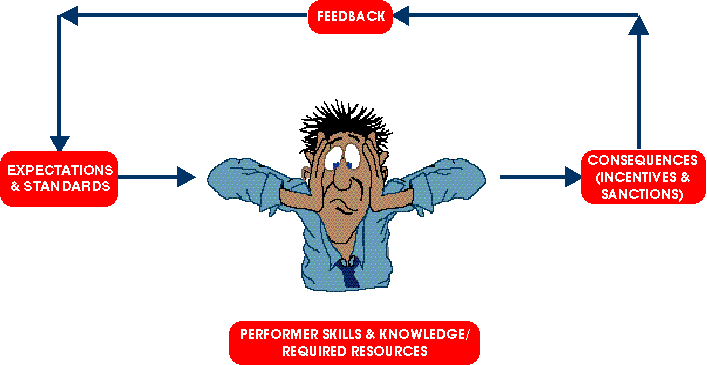
The Human Performance System is described graphically above.
A very common organizational response to poor results is to isolate and"treat" some performer or grouping of performers. We "treat"them by either training the life out of them or by replacing them. Suchmanagement actions assume that the performer is broken of defective in someway. Our experience, however, is that performance problems are seldom self-containedwithin individual performers. Management should FIRST look to:
for the root of problems or the source of performance improvement opportunity.If you refer to the picture above, expectations are the link to the largerwork unit/department process and, ultimately, to organization results. Expectationsare the before-the-fact statements of the results required of performers.We believe that the most effective way to come up with these critical expectationsis to start with organization results and work back to position performancerequirements. If you begin the other way, it will take sheer luck to haveall of the performer expectations add up properly!
And, it is our contention that management or direct supervisors areresponsible for providing a supportive performance environment (EXPECTATIONS,RESOURCES, FEEDBACK and CONSEQUENCES, as pictured above) which will facilitatethe development and application of necessary skills to required job tasksby their subordinates.

Return to home page